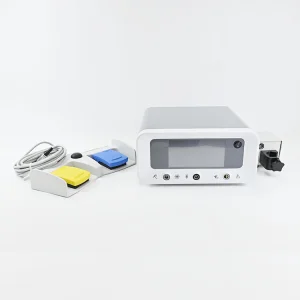
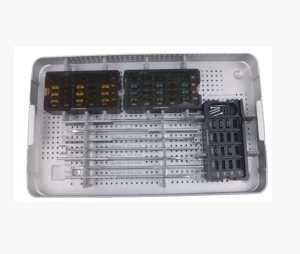
Premium Grade III medical devices, bio-compatible alloys, and surgical instrument configurations validated for extreme clinical durability.
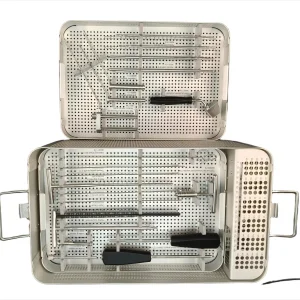
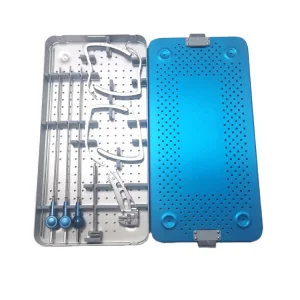
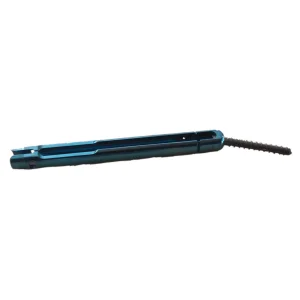
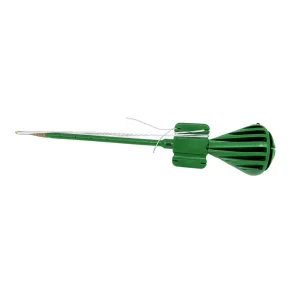
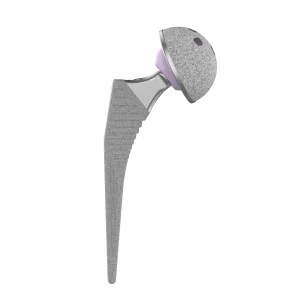
Analyzing demographic shifts, materials science breakthroughs, and stringent CE MDR regulatory adaptations.
The global orthopaedic trauma devices market is undergoing a seismic paradigm shift. Driven by an aging population, climbing rates of osteoporotic fractures, and high-energy vehicular trauma incidents, healthcare systems require osteosynthesis solutions that significantly reduce operation time and post-surgical rehabilitation periods. Today, CE Certified Trauma Implants represent the gold standard of safety and efficacy. High-precision locking compression plates (LCP), intramedullary nails, and cannulated screw systems are engineered not just for mechanical stability, but for optimized biological compatibility and osseointegration.
From an industrial perspective, manufacturers must balance advanced metallurgy with strict cost-efficiency. Regions across Europe, North America, and Latin America are seeing a transition to minimally invasive surgical (MIS) techniques, forcing designers to develop ultra-low profile implants that respect local soft-tissue microanatomy. Concurrently, strict adherence to the updated European Union Medical Device Regulation (EU MDR 2017/745) has raised the entry barrier, demanding extensive clinical evaluation, complete bio-compatibility profiling, and total raw material traceability from premium Class IIb and Class III trauma system exporters.
Utilizing high-strength Grade 5 Titanium Alloy (Ti-6Al-4V ELI) and implant-grade PEEK polymer. These materials optimize elasticity modulus ratios, significantly mitigating stress shielding effects in cortical bones.
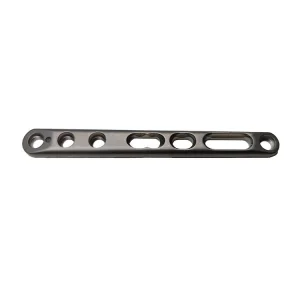
Our plate profiles utilize advanced 3D anthropometric data to map precise anatomical contours. This eliminates intraoperative bending requirements, safeguarding plate structural integrity and lowering operation time.
Engineered locking and compression combi-holes allow surgeons to alternate or combine locking screws for rigid stability, or cortex screws for dynamic axial compression depending on the fracture classification.
Synoviq Medical Technology (China) Co., Ltd. - Empowering global orthopedic brands with clinical-oriented manufacturing.
Synoviq Medical Technology (China) Co., Ltd. is a leading professional manufacturer of orthopedic implants and surgical instruments. We are dedicated to delivering innovative, reliable, and high-quality medical solutions for healthcare professionals worldwide. Since our establishment, Synoviq has focused on research, development, precision manufacturing, and international quality standards, providing comprehensive OEM and ODM services for global medical device brands, distributors, and hospitals.
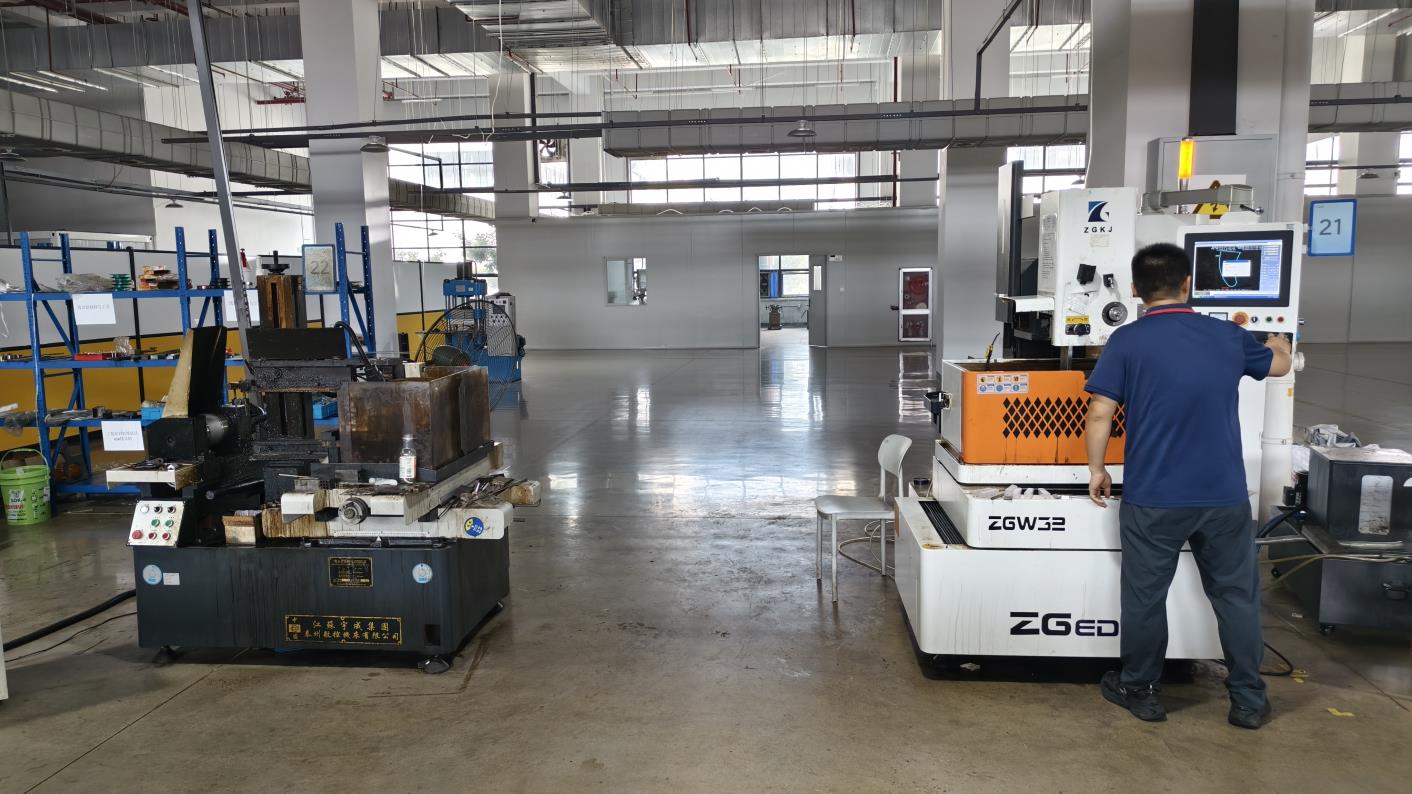
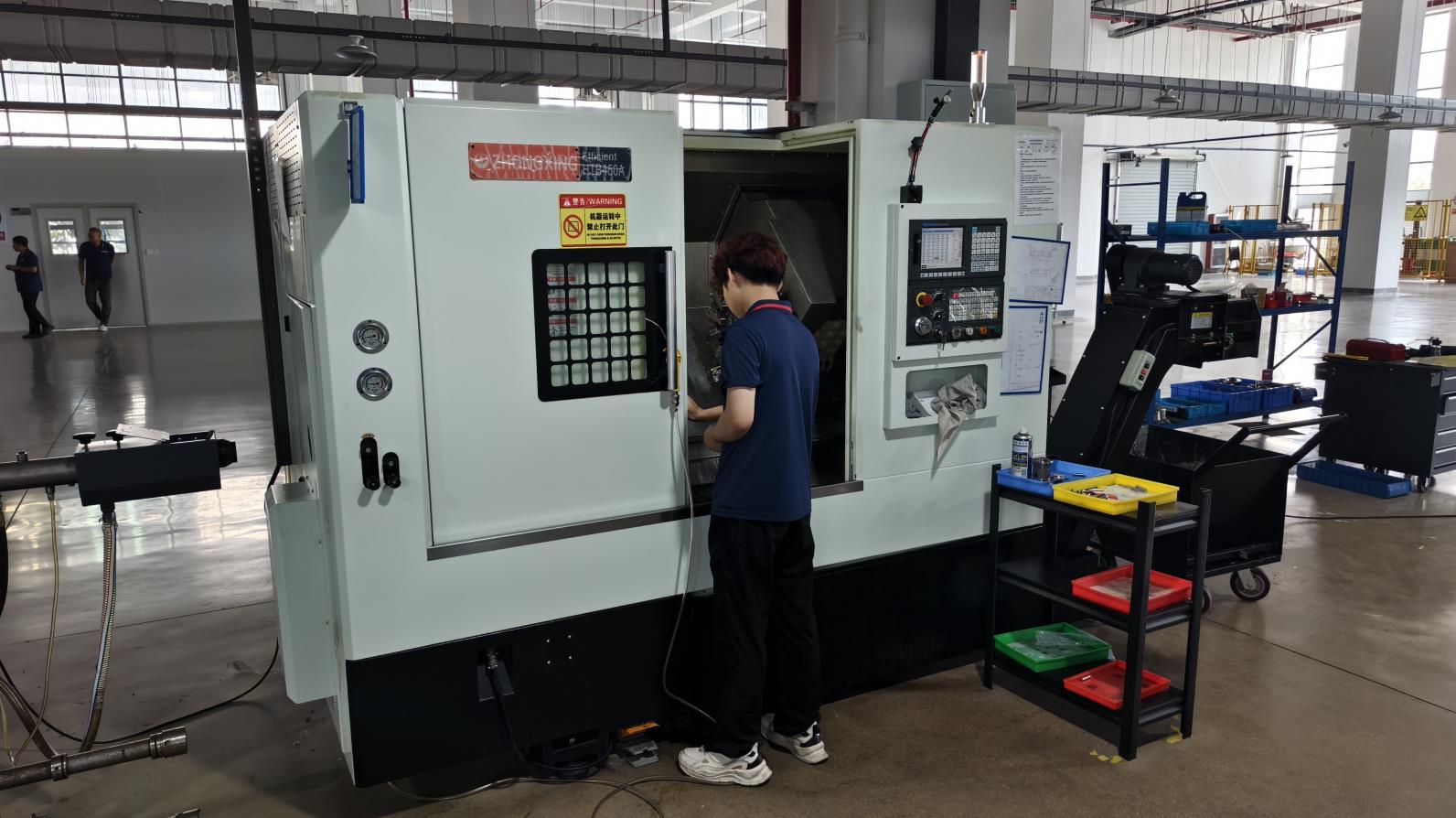
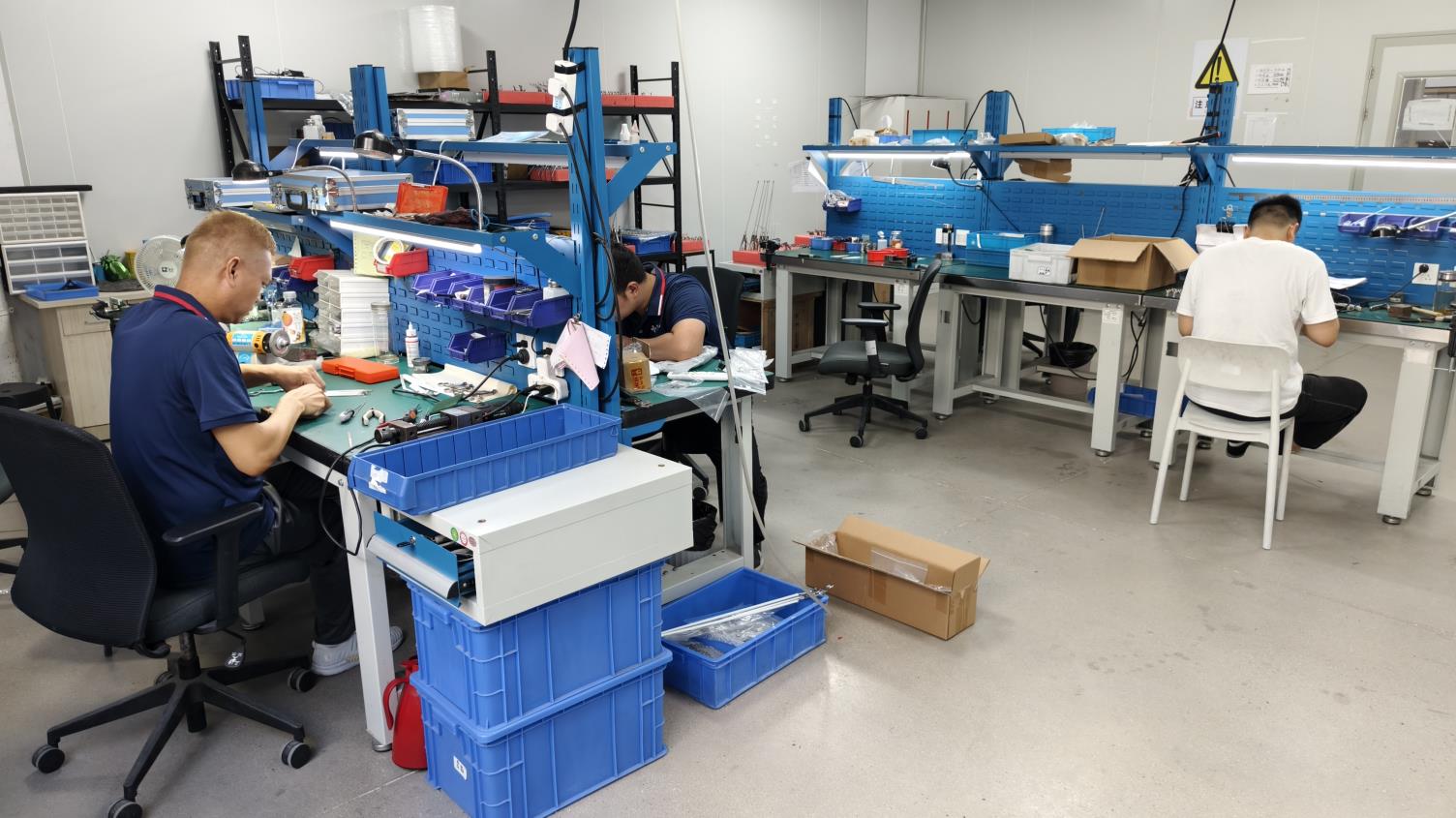
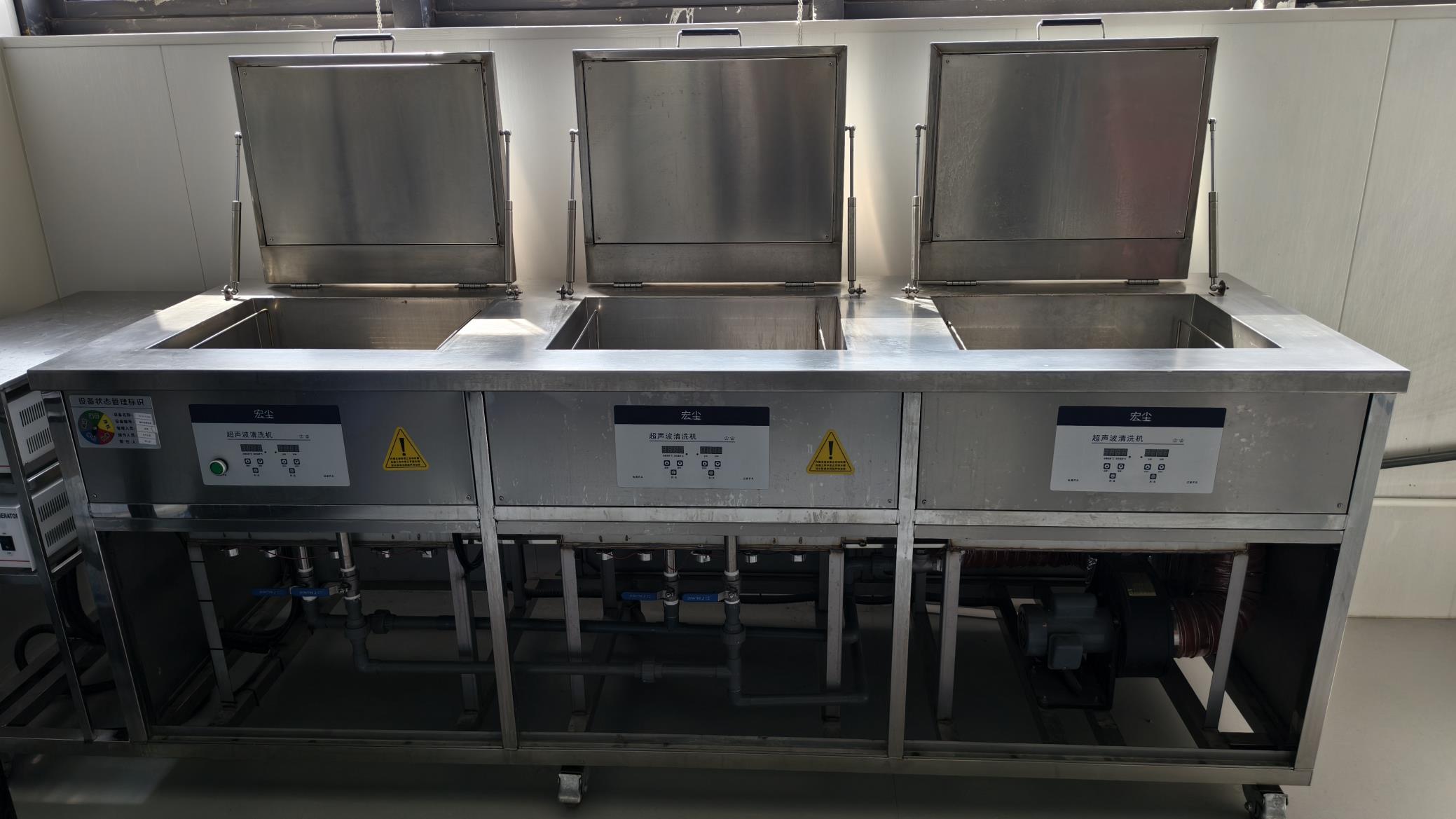
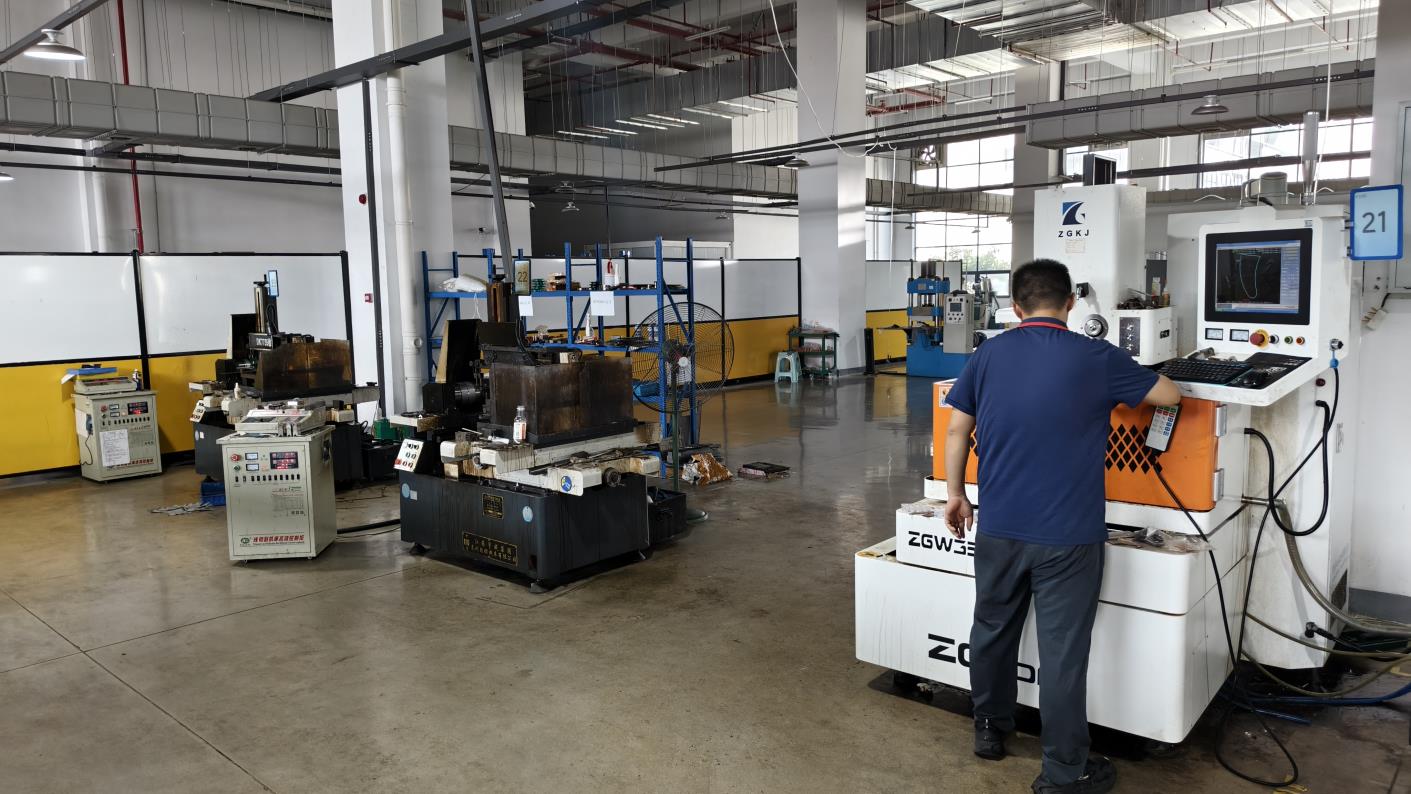
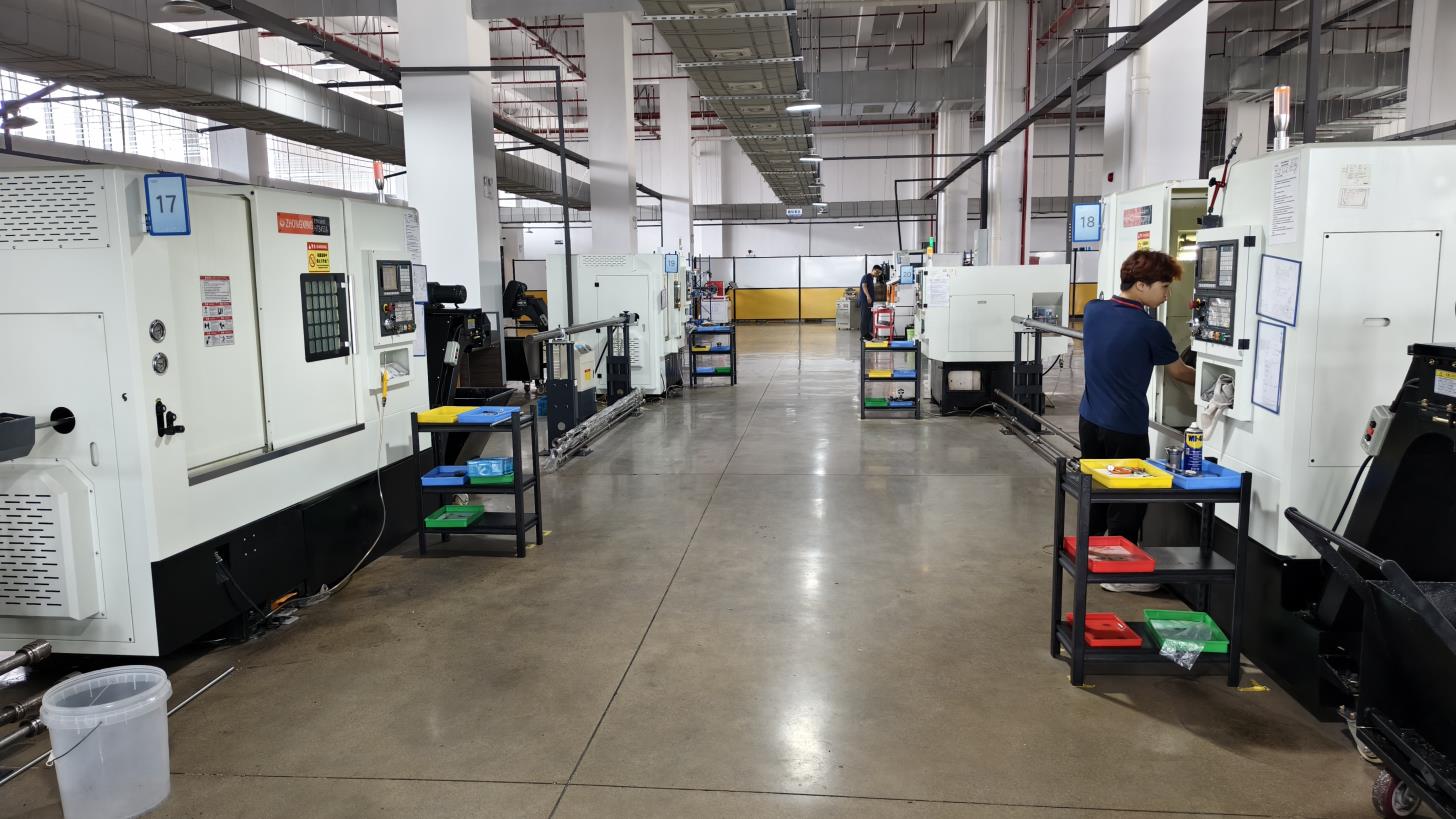
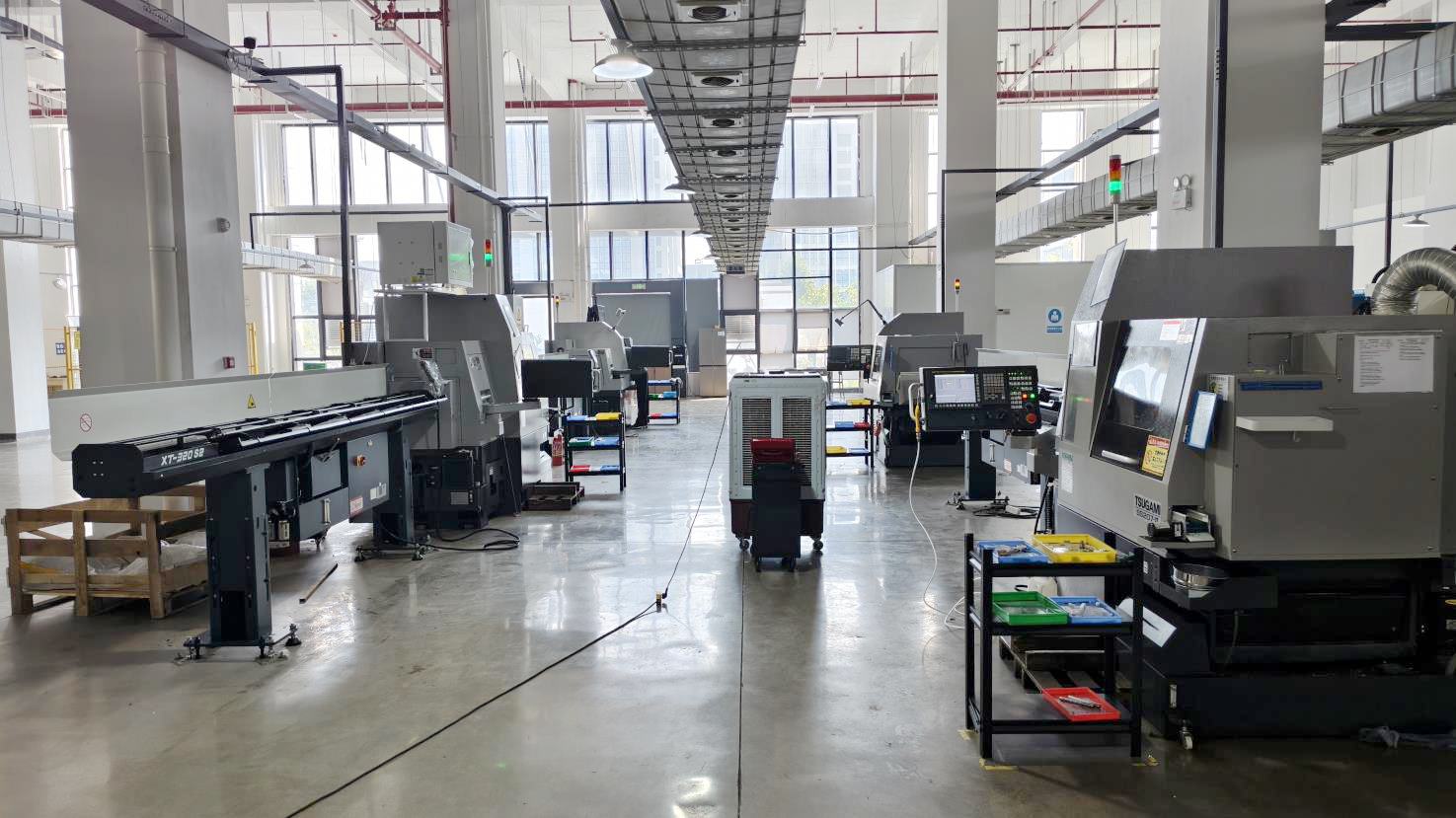
Our product portfolio includes trauma fixation systems, spinal implants, locking plates, intramedullary nails, external fixation systems, orthopedic screws, surgical instruments, and customized orthopedic solutions. Equipped with advanced CNC machining centers, precision inspection equipment, and modern clean production facilities, we ensure every product meets strict international quality requirements.
Driven by continuous innovation, Synoviq invests heavily in R&D and intelligent manufacturing to enhance product performance, surgical efficiency, and patient outcomes. Our experienced engineering team works closely with customers to develop customized products tailored to different clinical applications and market demands. With a customer-oriented philosophy, competitive pricing, stable supply capability, and efficient technical support, Synoviq has established long-term partnerships with distributors, medical brands, and healthcare organizations across Europe, North America, South America, the Middle East, and Asia-Pacific.
| Industrial Item | Information & Capacity Specifications |
|---|---|
| Company Name | Synoviq Medical Technology (China) Co., Ltd. |
| Brand Portfolio | Synoviq |
| Established Date | March 18, 2016 |
| Manufacturing Building Area | 18,600 m² modern facility |
| Annual Export Revenue | USD 21.8 Million |
| Global Export Experience | 8 Years structured logistics and regulatory compliance |
| Orthopedic Industry Experience | 14 Years deep technical know-how |
| Quality Inspection Frameworks | 100% Final Inspection & strict Incoming Material Inspection |
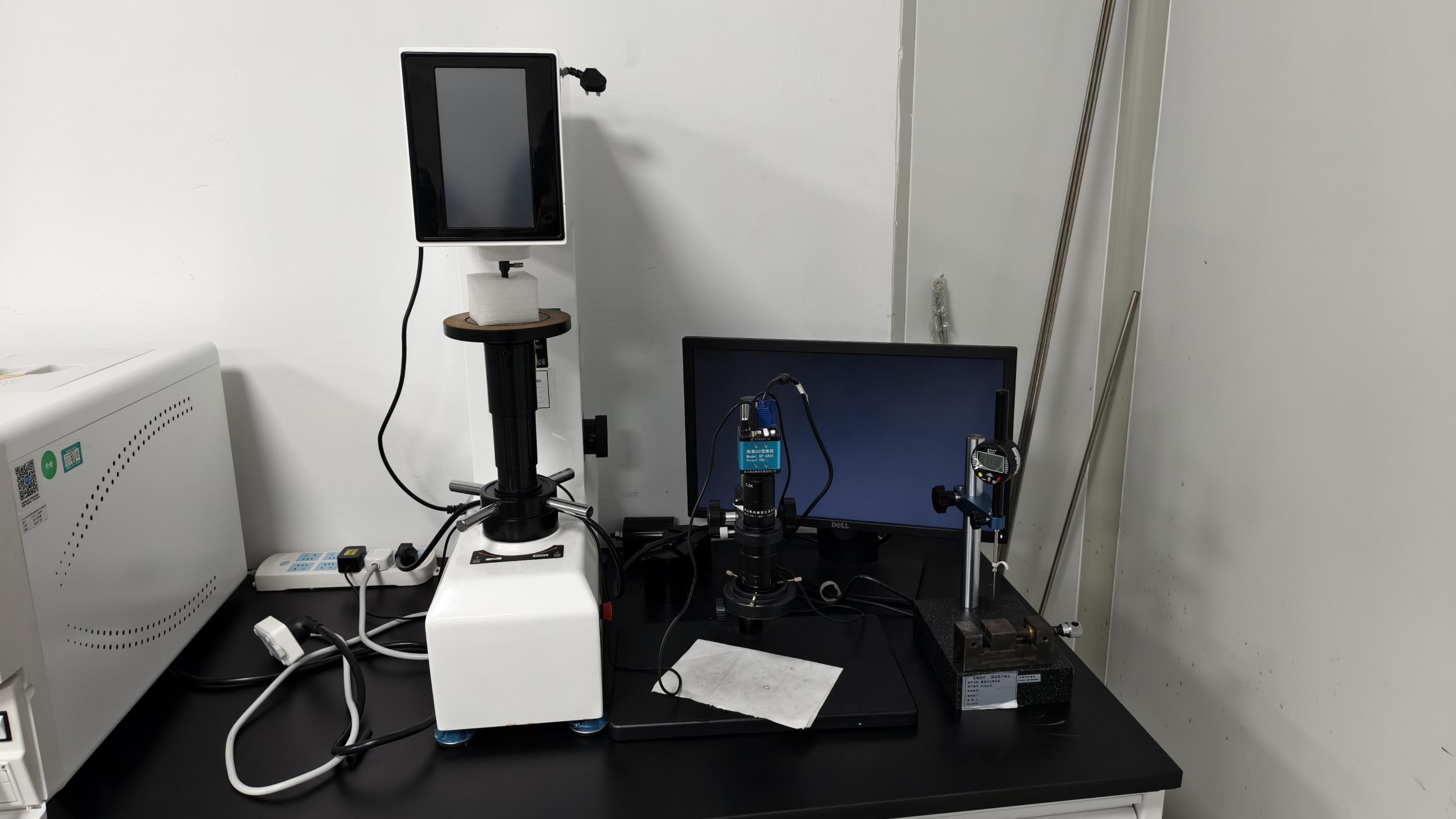
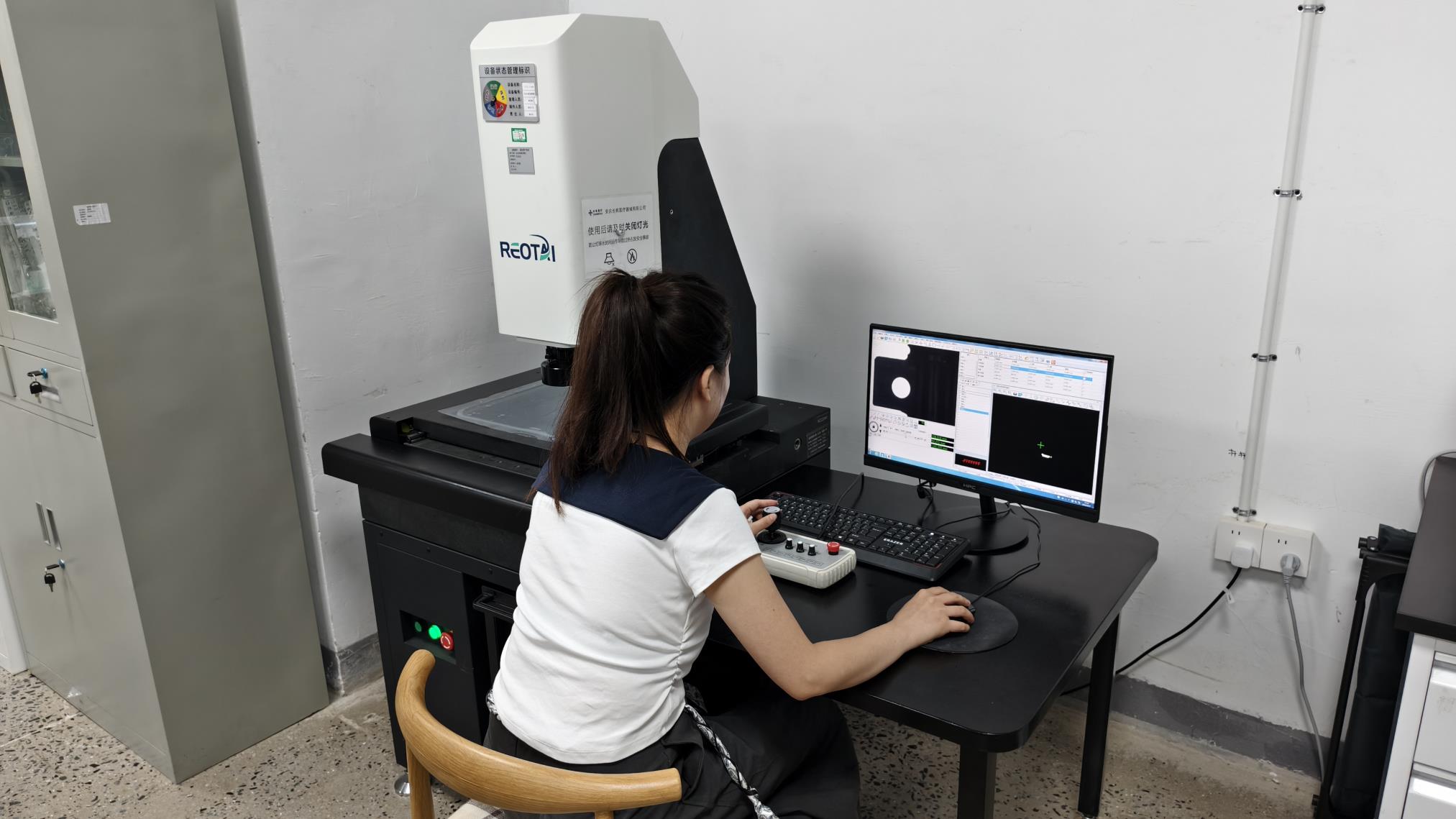
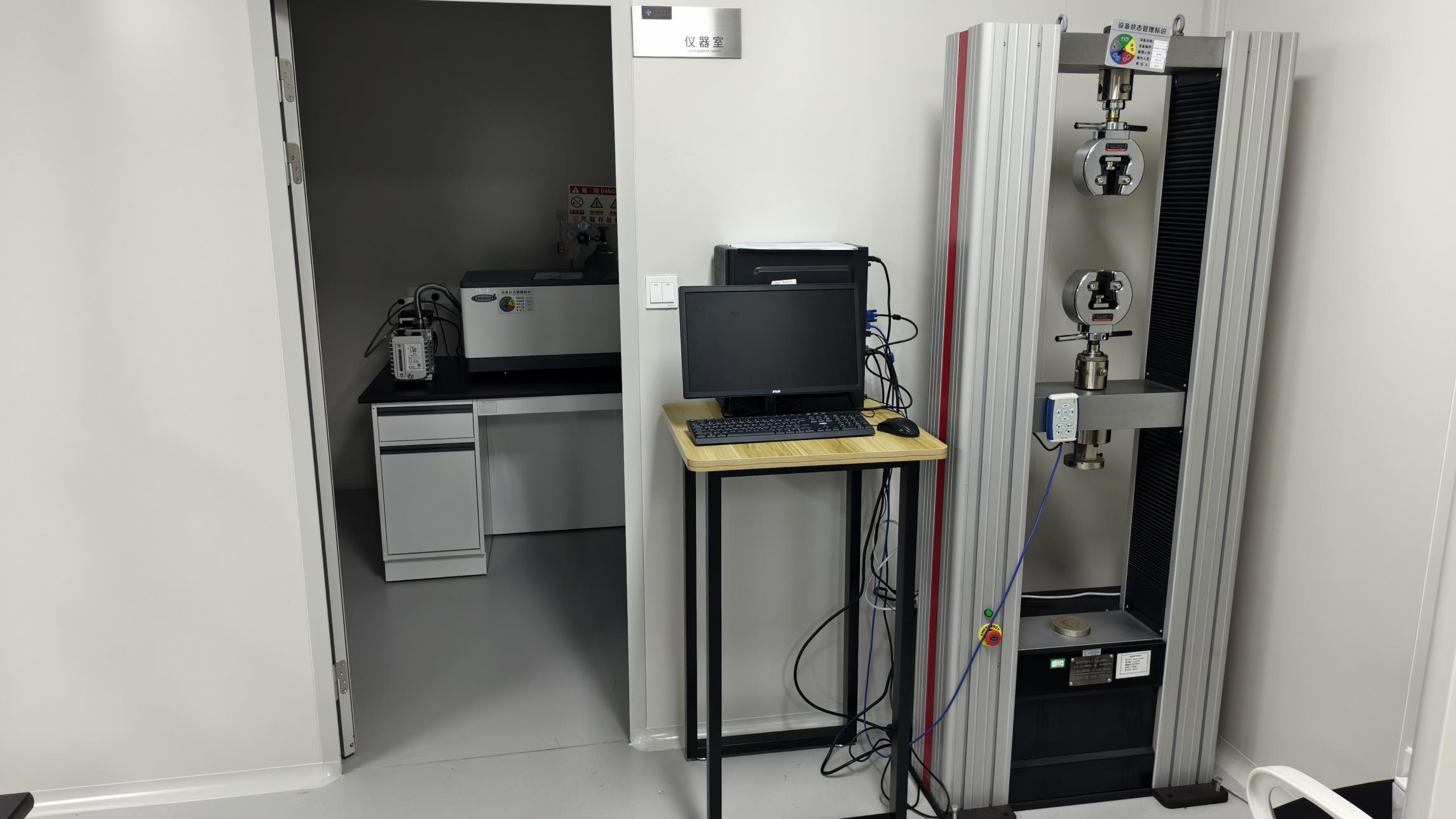
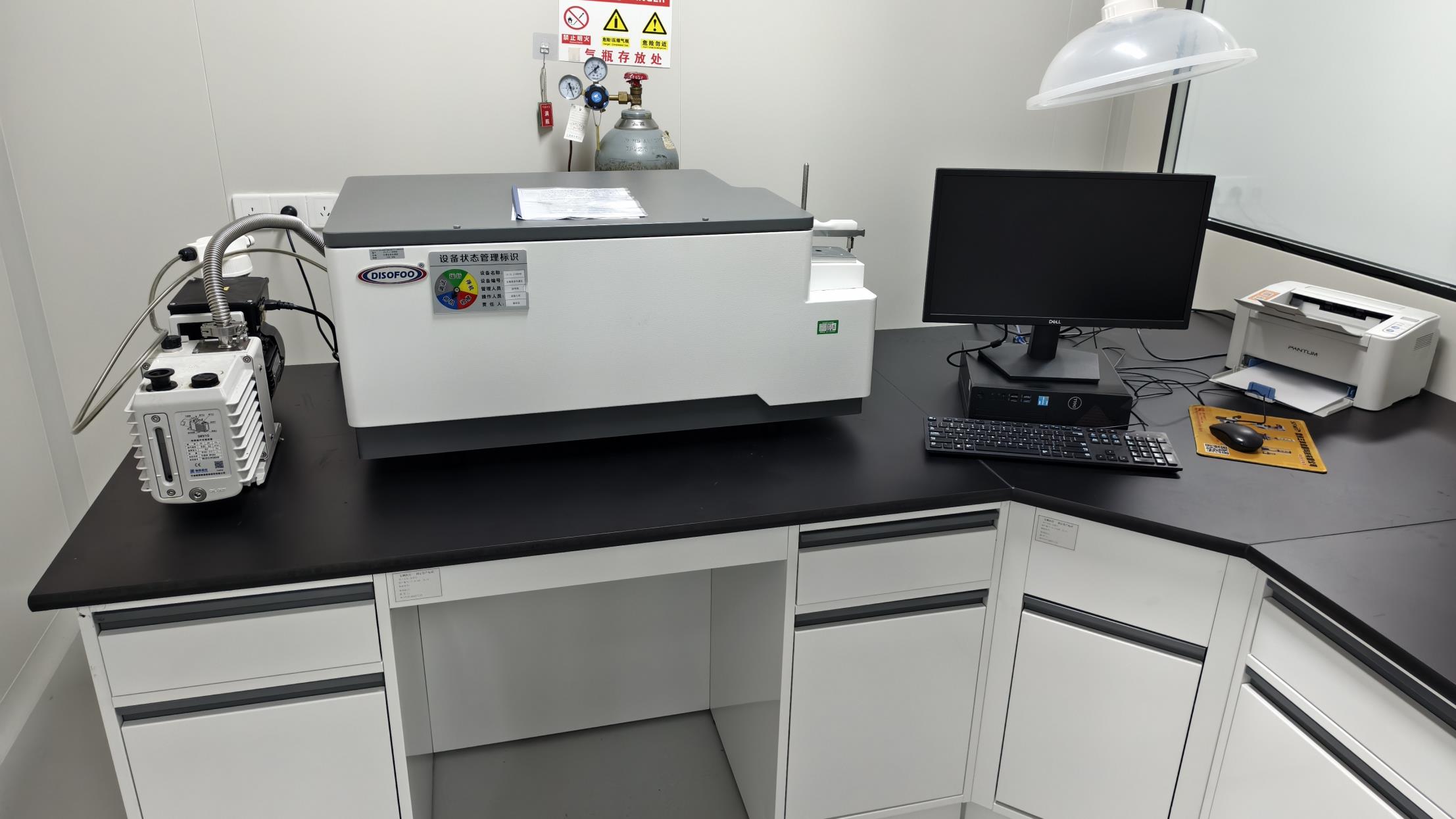
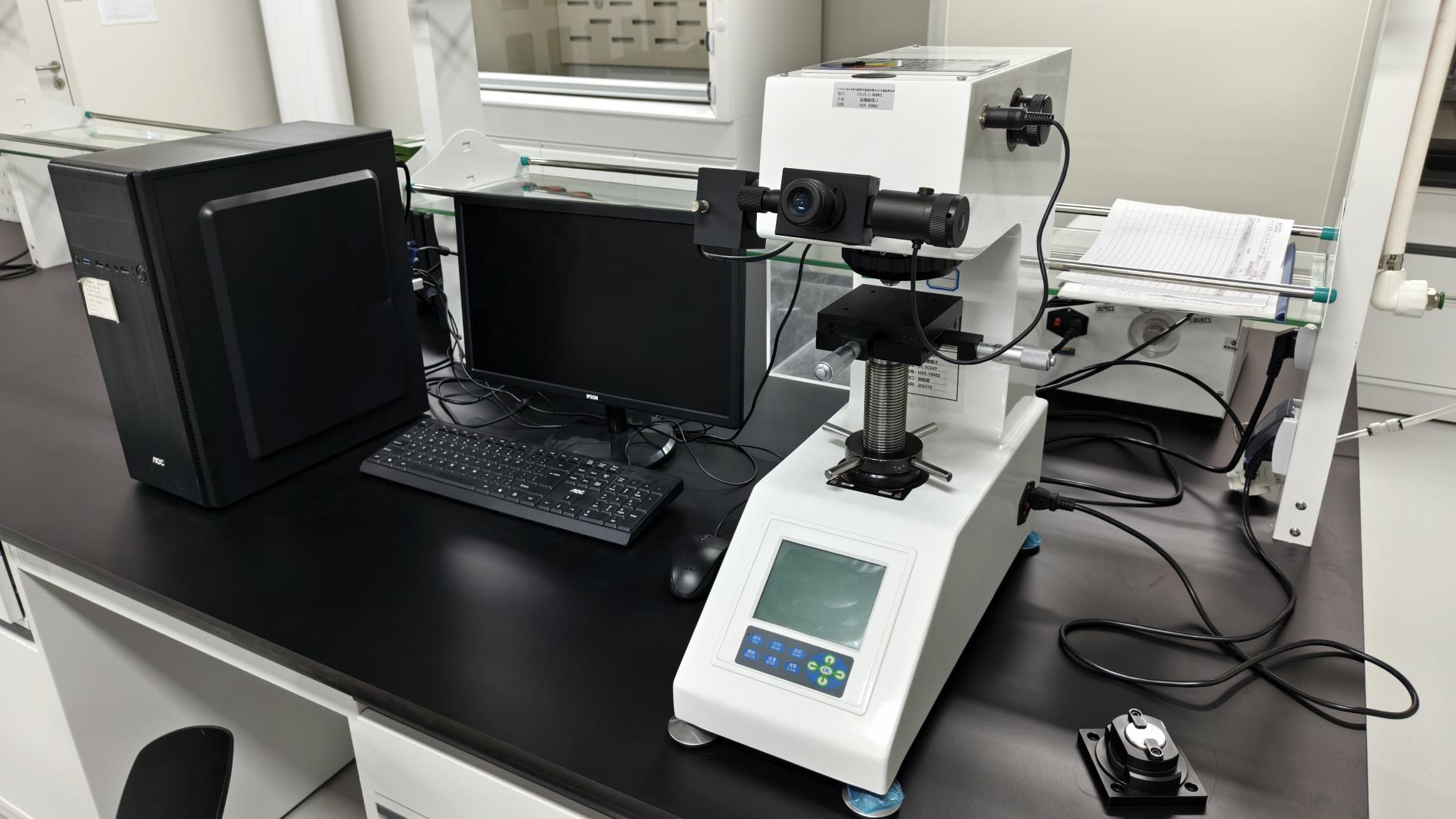
| Product Validation Methods | CMM Measurement, Mechanical Testing, Surface Roughness Testing, Hardness Testing, Salt Spray Testing, Sterility Validation |
| Quality Control (QA/QC) Staff | 48 designated specialists |
| Primary Business Model | Manufacturer & Exporter (OEM/ODM Solutions) |
| Targeted Global Markets | Europe, North America, South America, Middle East, Southeast Asia |
| Supply Chain Integration | 1,120+ active procurement partners |
| R&D Architecture | Independent Product Design, Prototype Development, Clinical-Oriented Engineering, OEM & ODM Development |
| Tailored Customization | Logo Customization, Packaging Customization, Product Design Customization, Material Selection, Surface Treatment |
| R&D Engineering Pool | 76 seasoned biomedical and structural engineers |
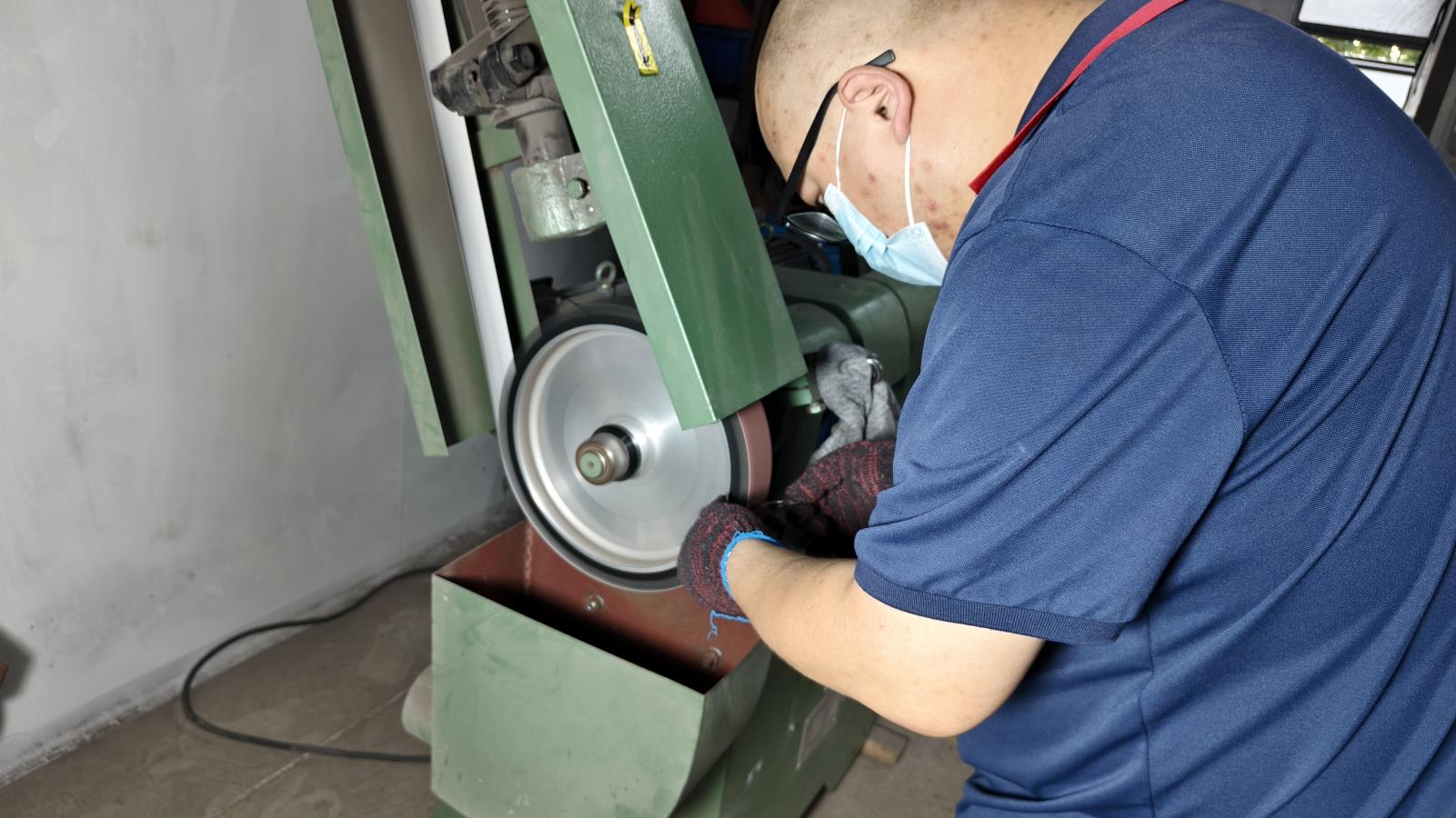
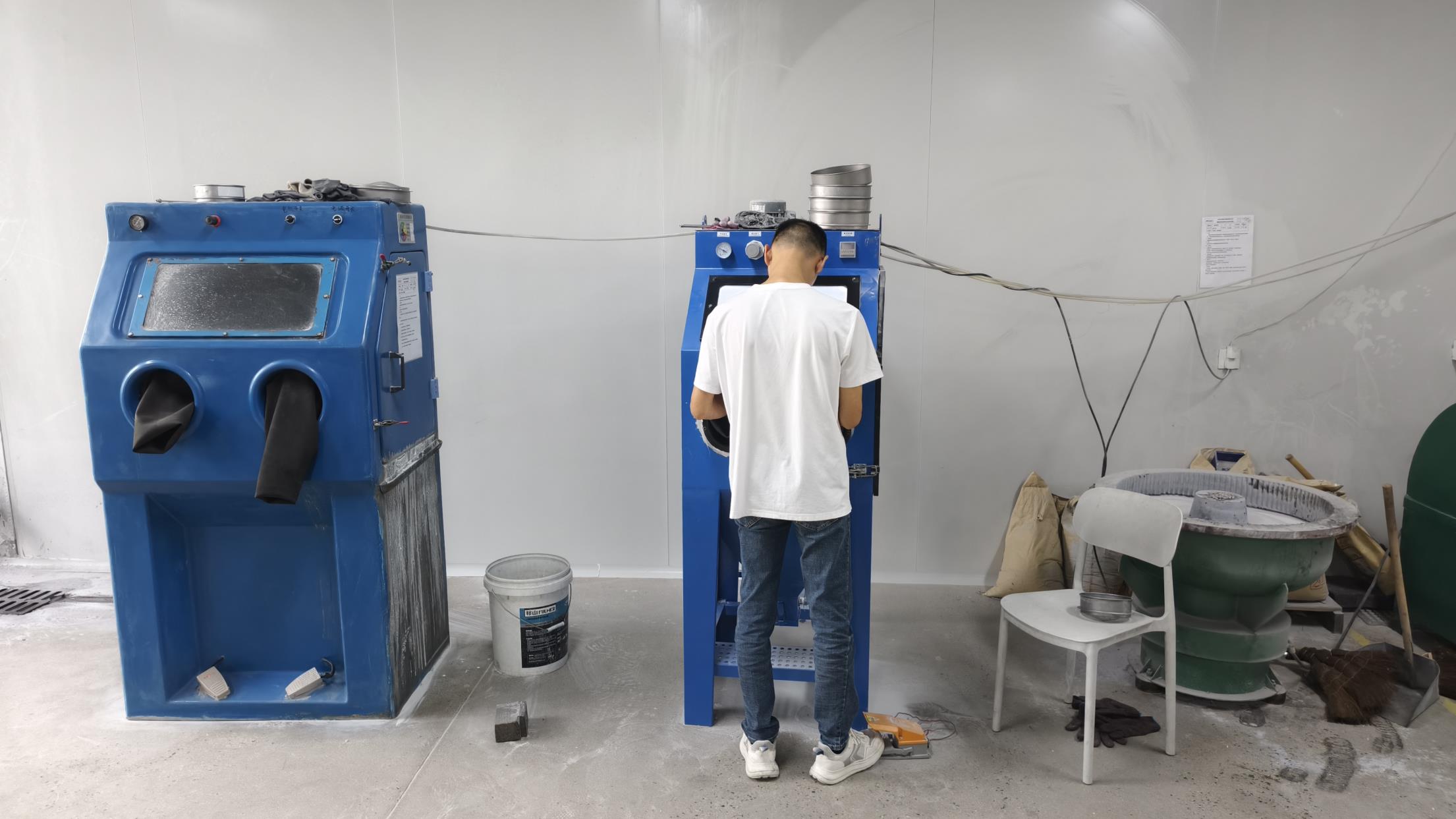
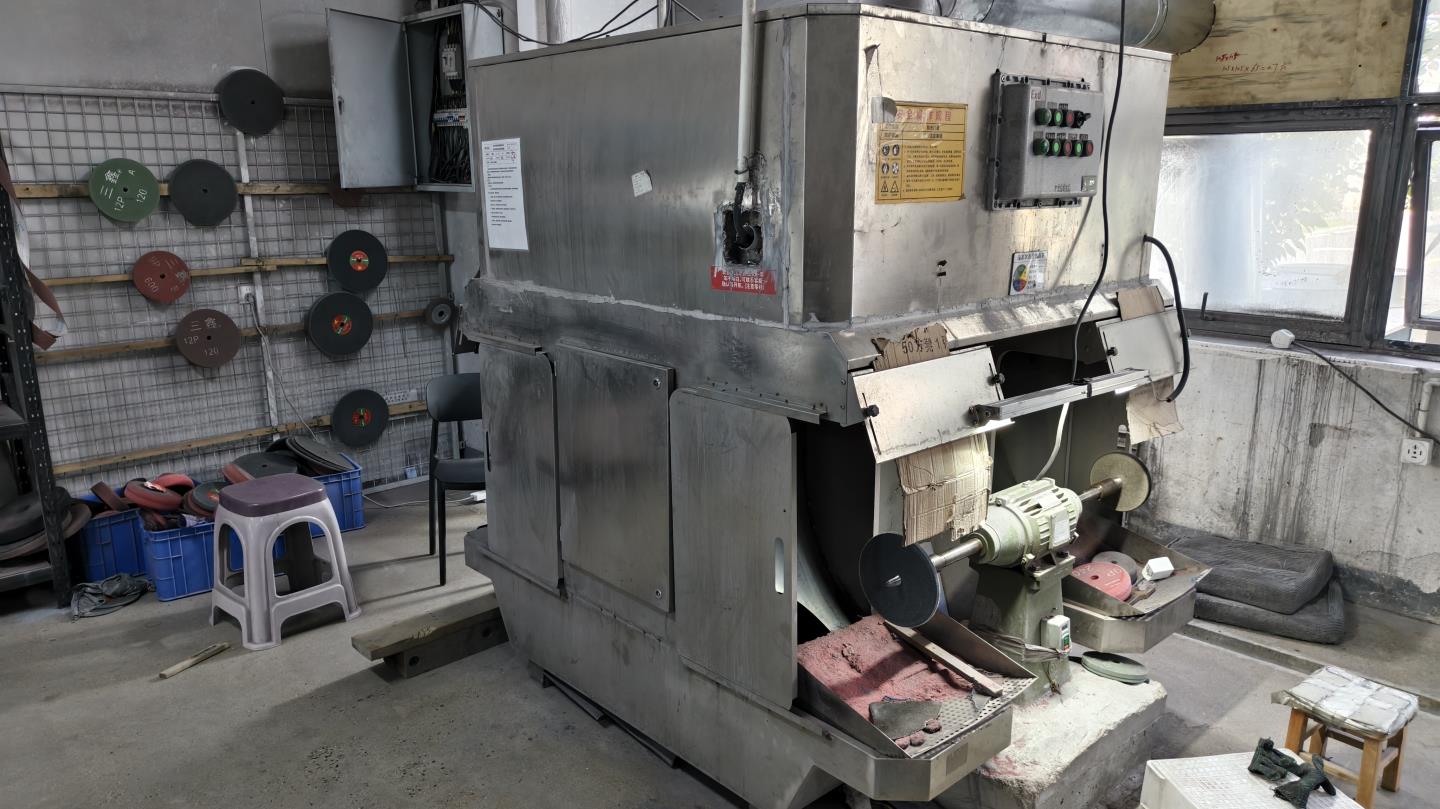
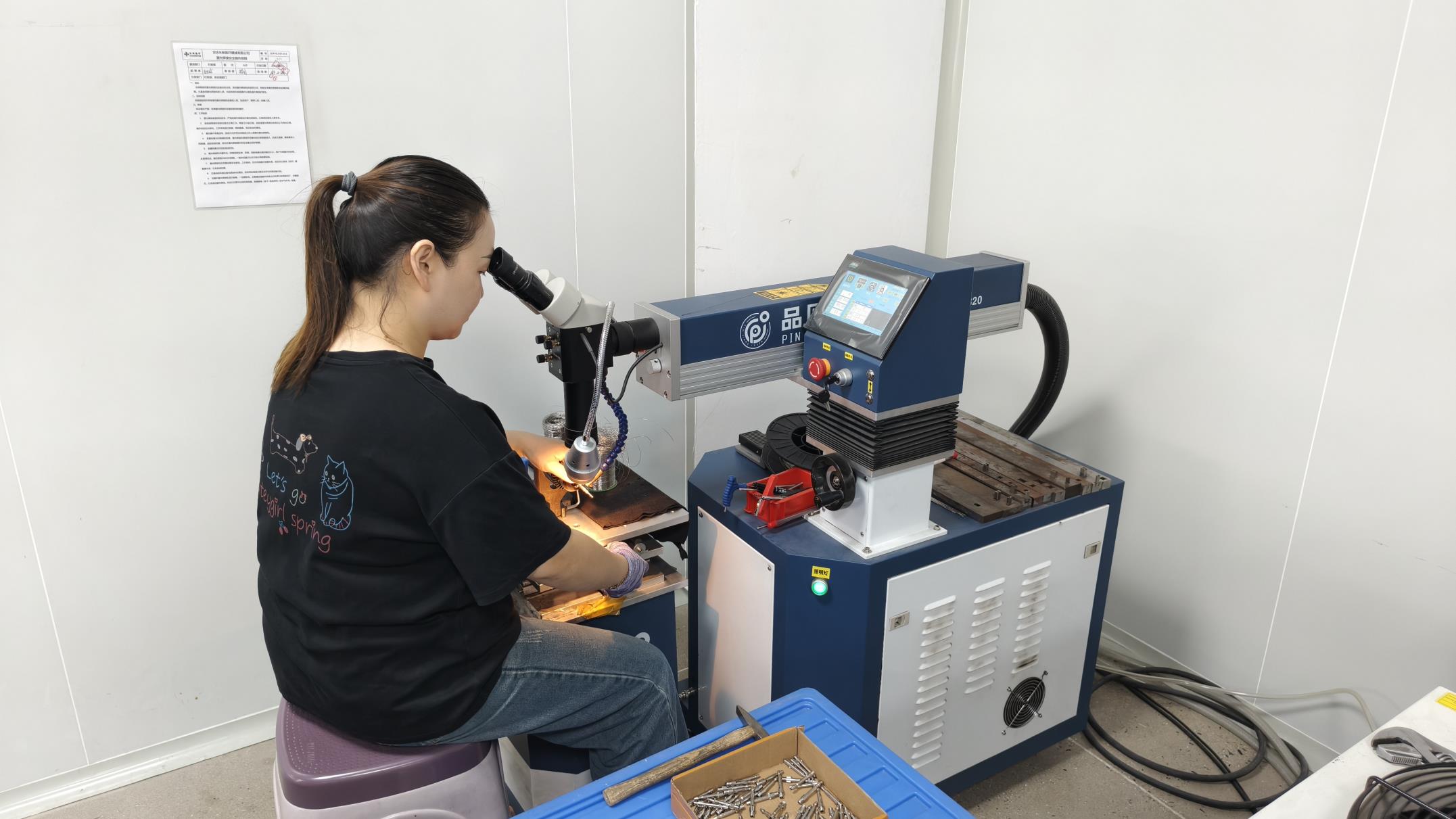
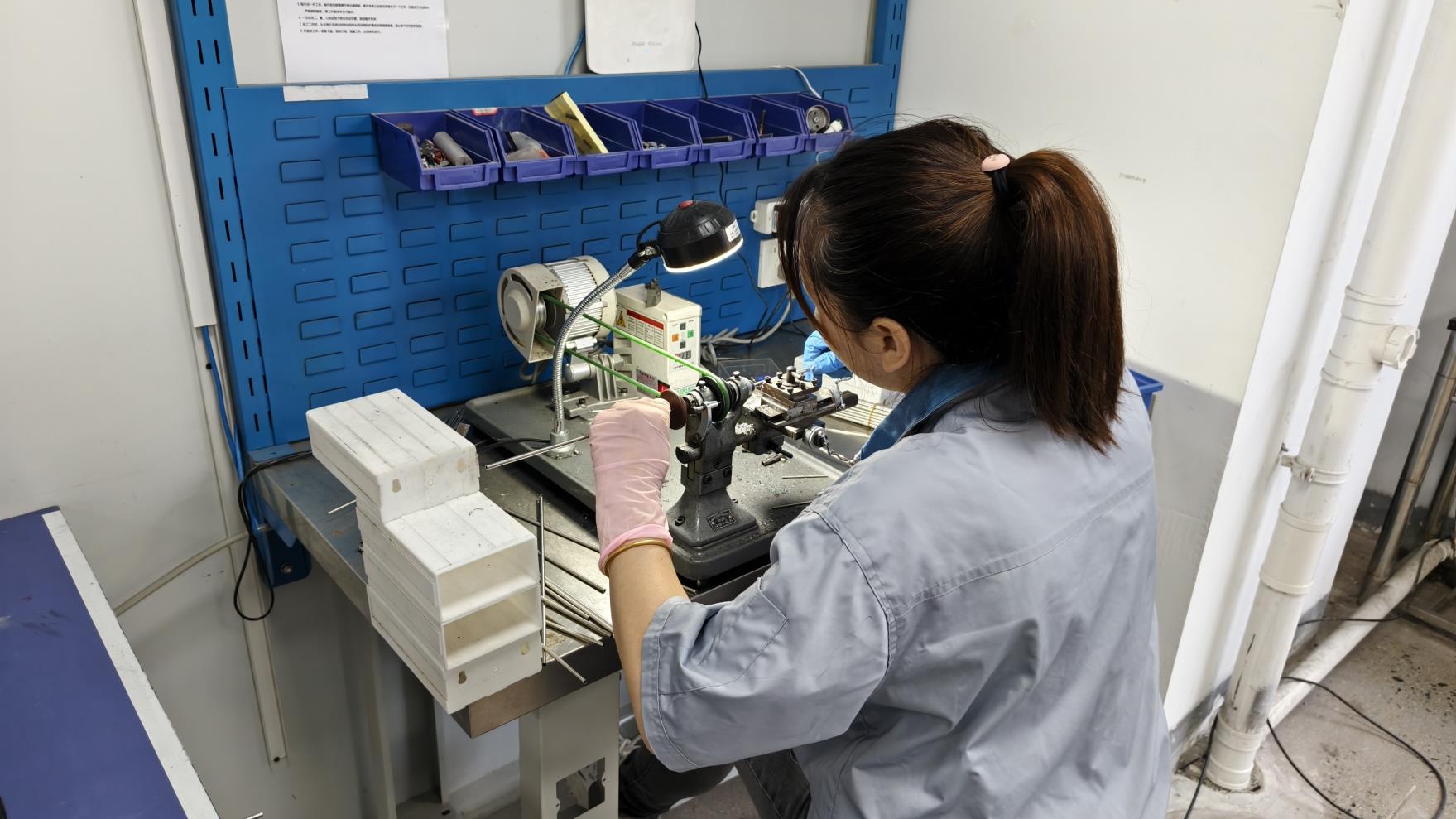
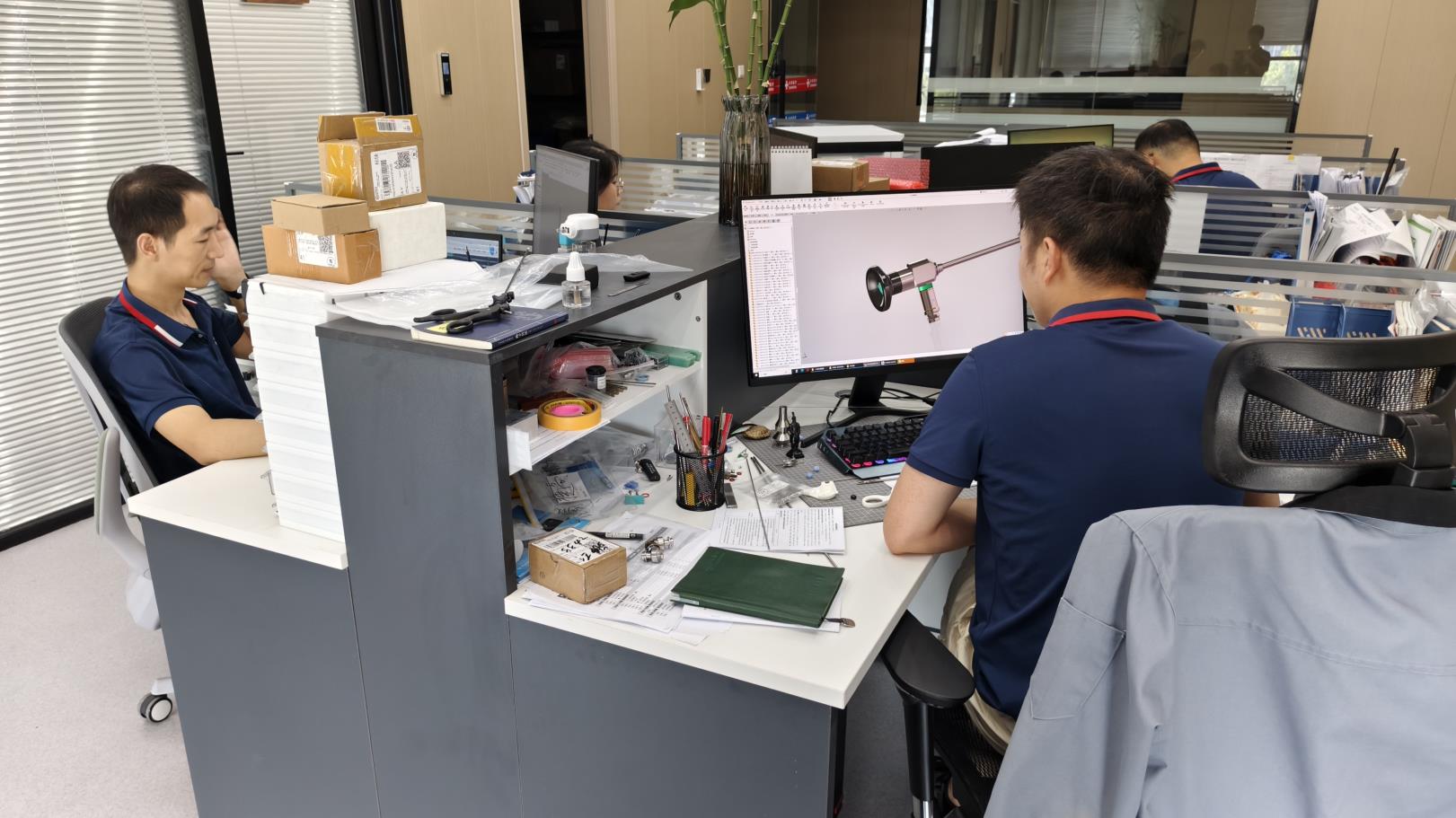
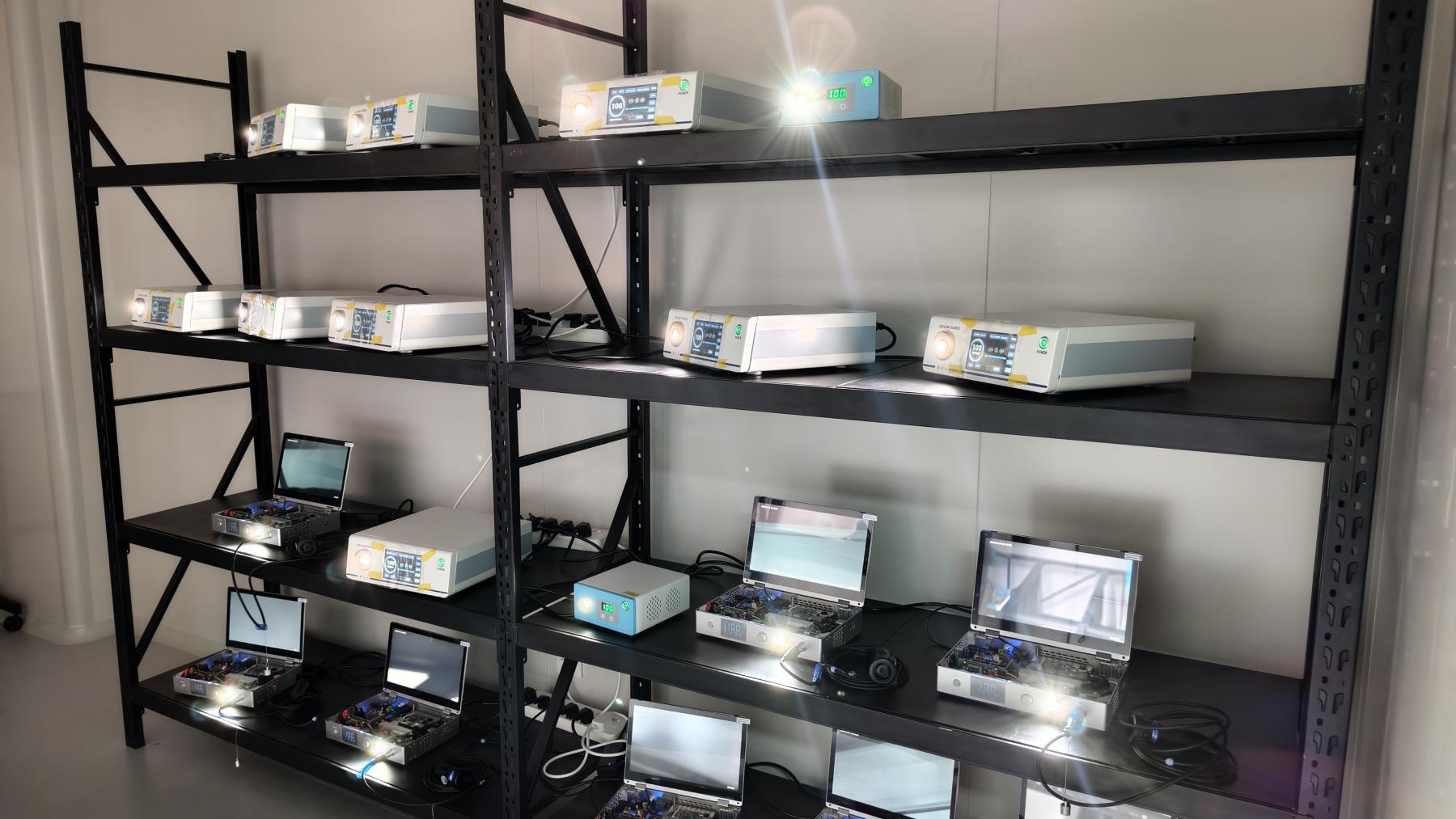
Integrating high-performance CNC systems, Swiss precision lathes, laser welding technology, and sterile packaging systems.
How we integrate forward-looking engineering to assure mechanical performance and biocompatible longevity.
In orthopaedic engineering, the surface chemistry of the implant dictates the biological response of the host tissue. Our technical roadmap highlights two key research thrusts: micro-structured osteoconductive coatings and dynamic fatigue threshold optimization. Under cyclic loading conditions, poor implant engineering can trigger fatigue micro-cracking and eventual structural failure. Synoviq addresses this through computerized Finite Element Analysis (FEA) and subsequent physical testing. By modeling bone-implant interfaces under real-life torsional, compressive, and shear stress, we create anatomical configurations with optimal stress distribution.
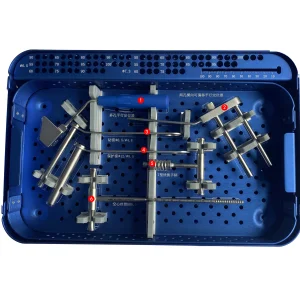
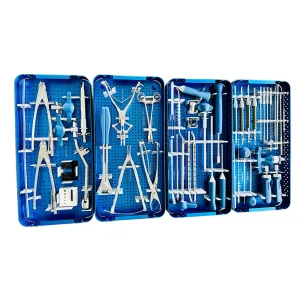
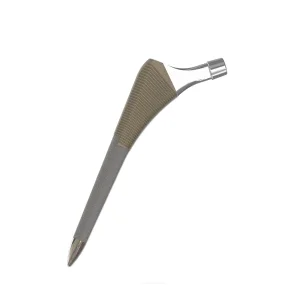
Furthermore, our surface preparation processes, such as type II anodization (for Titanium alloys) and HA (Hydroxyapatite) micro-coatings (for joint prosthetics), provide a topography that promotes initial protein adsorption. This accelerates osteoblast attachment and proliferation, reducing the healing window. Our implant designs are paired with dedicated, surgical grade stainless steel instrument sets. This ensures flawless intraoperative tactile response and minimizes manual user errors during screw-insertion and plate alignment.
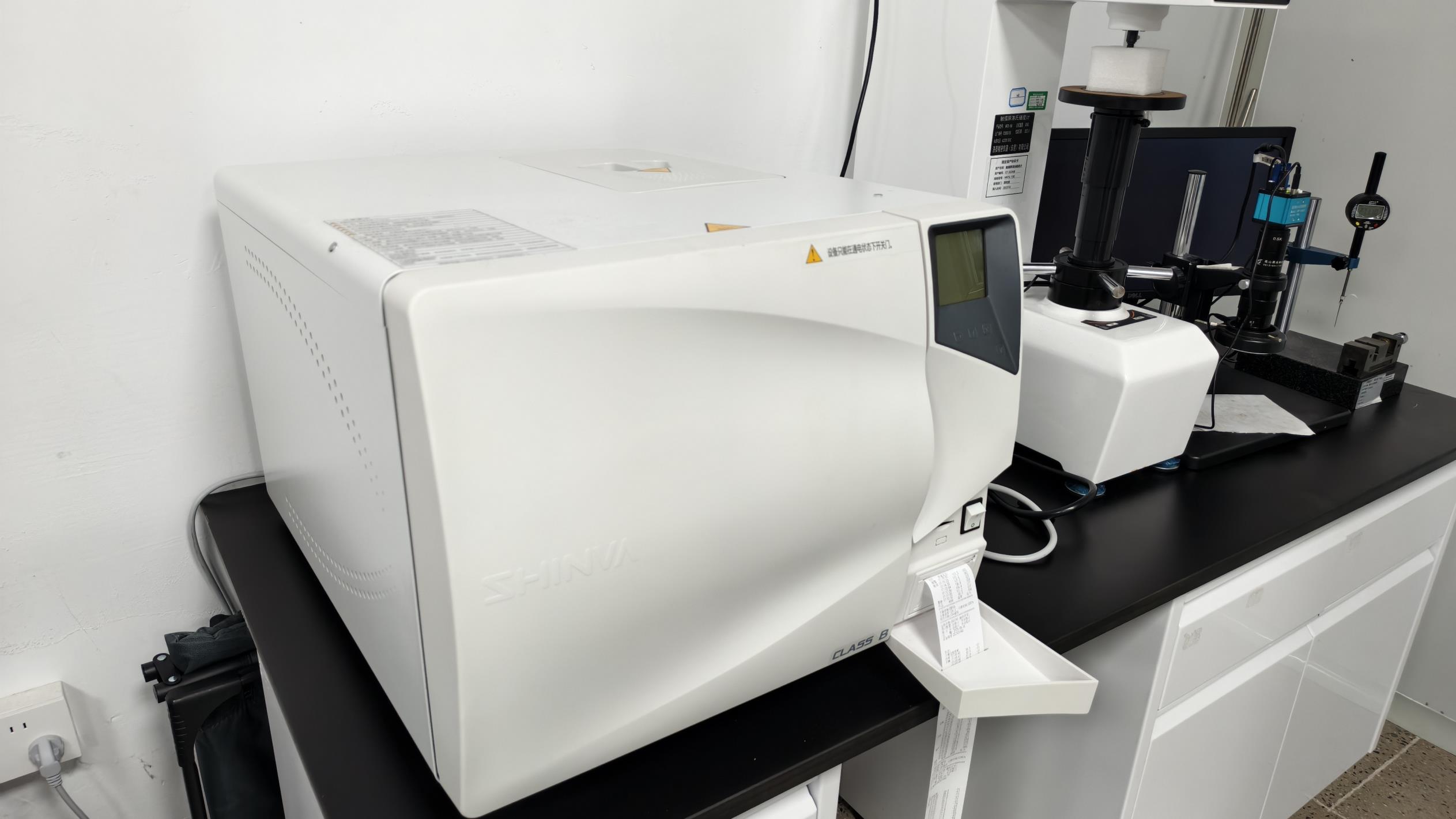
100% final validation and strict physical testing using state-of-the-art testing systems.
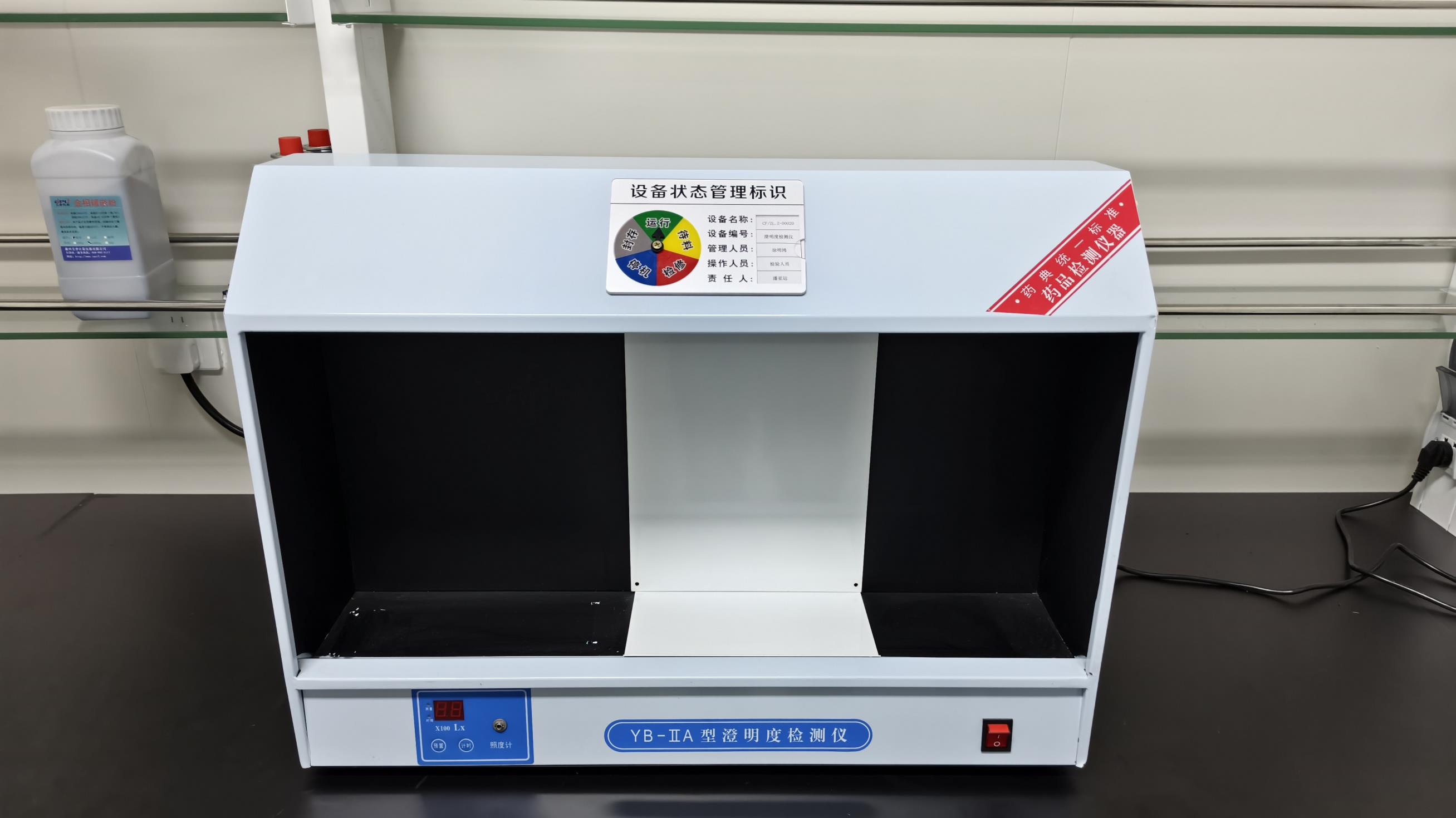
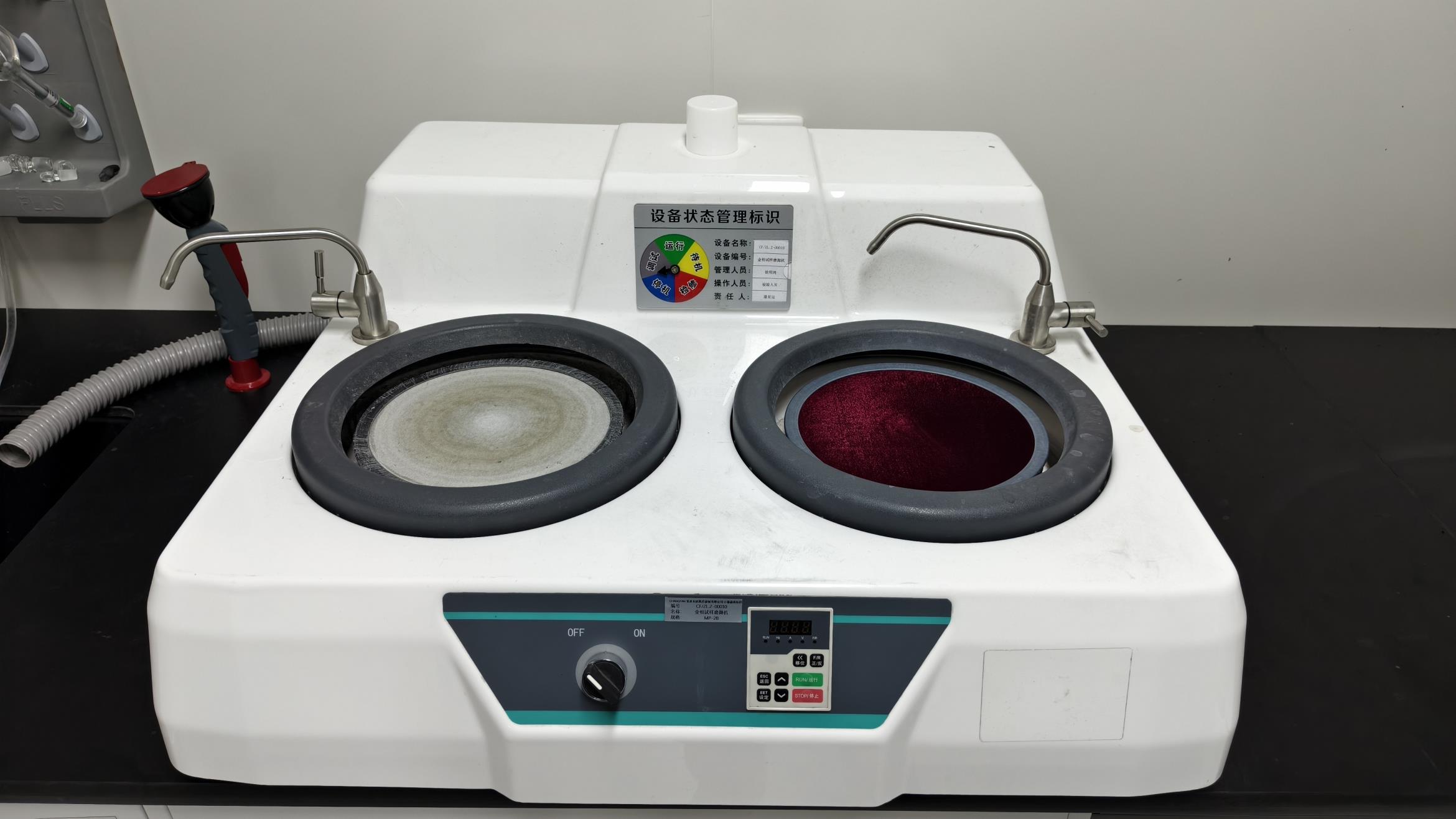
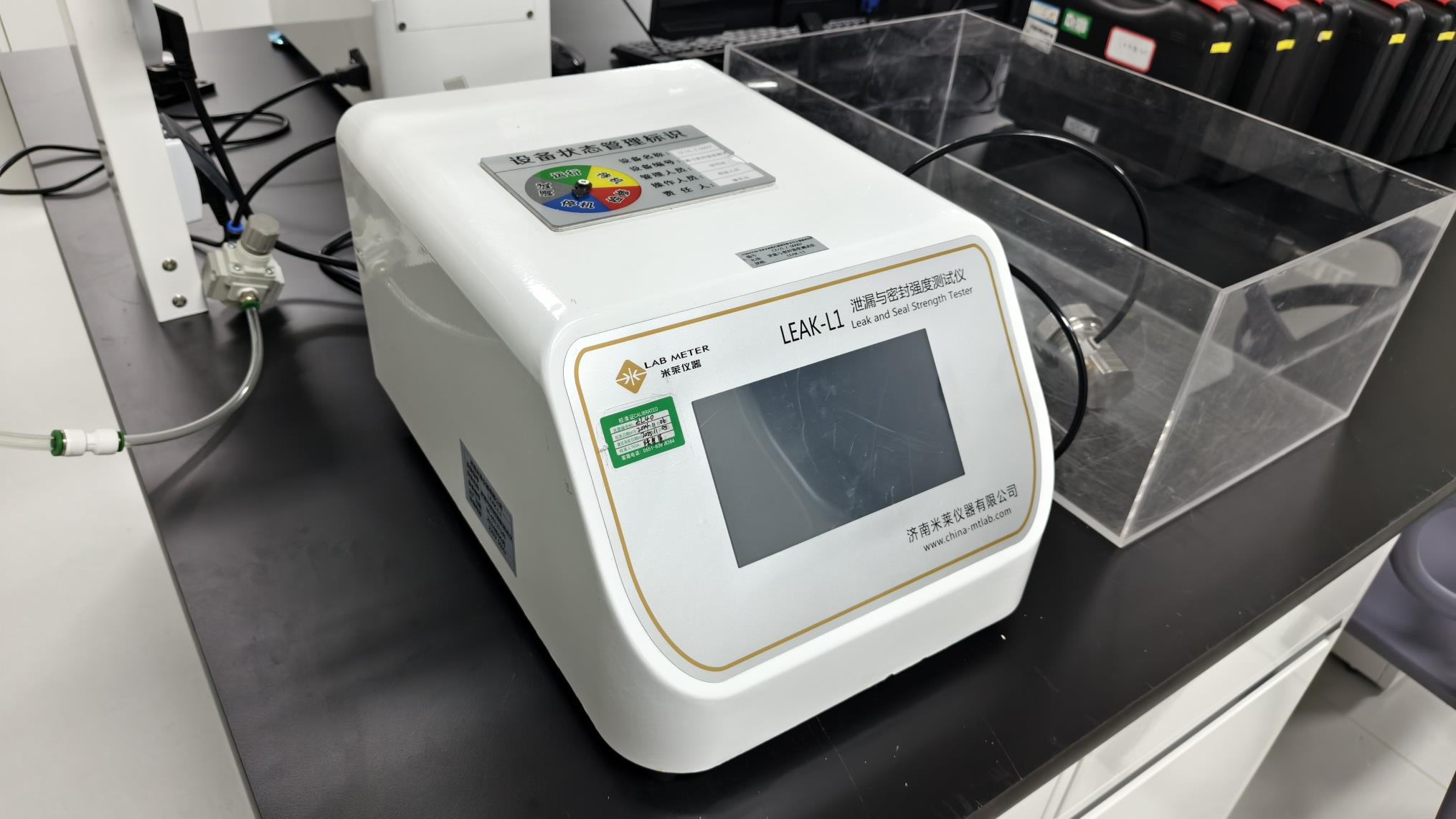
Addressing core mechanical, regulatory, and supply-chain inquiries from global orthopedic distributors.
Grade 5 Titanium (Ti-6Al-4V ELI) is widely utilized for high load-bearing bone plate applications due to its excellent tensile strength, bio-compatibility, and corrosion resistance. PEEK (Polyetheretherketone) is a non-absorbable semi-crystalline polymer with an elastic modulus (~3.6 GPa) close to that of cortical bone. This similarity minimizes stress shielding, making it ideal for spinal cages, suture anchors, and select distal radius fixations where radiographic imaging lucency is necessary.
Under our ISO 13485 quality system, every batch of titanium or PEEK is received with certified mill test reports detailing structural composition and chemical analysis. Each implant is laser-marked with a unique Device Identifier (UDI) containing batch and serial numbers. This ensures end-to-end traceability from the raw material cutting stage, through multi-axis CNC milling, cleaning, packaging, and sterilization validation, straight to the operating theater.
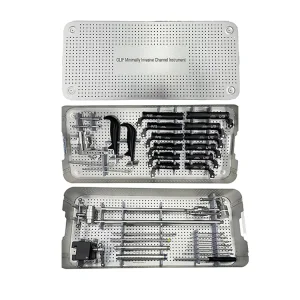
Yes, our R&D engineering pool of 76 specialists provides custom OEM/ODM solutions. By utilizing computer-aided manufacturing (CAM), custom design iterations, and 3D printing models, we can adapt trauma plates to suit specific geographic demographic anthropometry or refine surgical instrument layouts (such as cannulated screw instrumentation kits) according to surgeon specifications.
Our products are cleaned in a Class 100,000 cleanroom. Non-sterile implants are packaged to prevent environmental contamination, while sterile-packaged devices undergo either Ethylene Oxide (ETO) or Gamma Ray sterilization. Continuous sterility validation is conducted in-house using specialized sealing testers, particle counters, and microbial incubators to ensure a Sterility Assurance Level (SAL) of 10^-6.
Ensuring complete clinical flexibility across human spine interventions, joint replacements, and specialized veterinary osteosynthesis.
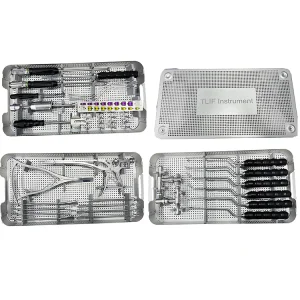
 Synoviq Medical